
:::
News
Fisheries Research Institute Signs a Memorandum of Cooperation with the Dapeng Bay National Scenic Area Headquarters Joining Hands to Promote Sustainable Aquaculture and Ecotourism
- PostDate:2025-07-18
To advance aquaculture development in the lagoon areas of southern Taiwan and strengthen marine environmental education, the Fisheries Research Institute signed a memorandum of cooperation with the Dapeng Bay National Scenic Area Headquarters today (2). This agreement establishes a framework for strategic collaboration across multiple areas, including aquaculture technology research and development, aquatic environmental monitoring, ecotourism initiatives, and local brand building. Through these efforts, the institutions aim to develop an integrated model that supports sustainable development alongside ecological co-prosperity.
According to the Fisheries Research Institute, Dapeng Bay represents Taiwan’s few large-scale lagoons formed through artificial engineering and is distinguished by its rich fisheries and ecological resources. The area has long served as a significant center of fisheries production and cultural heritage in southern Taiwan, with more than 250 years of history in aquaculture and fishing. Over the recent decades, Dapeng Bay has undergone successive cycles of expansion and decline in key aquaculture sectors, including milkfish, grass shrimp, and grouper. In response, local development has gradually shifted toward an approach that balances tourism and recreation with ecological conservation. Amid growing challenges posed by climate change, environmental pressures, and industrial restructuring, the establishment of a cross-departmental cooperation mechanism has emerged as an essential strategy for future development.
Over the years, the Fisheries Research Institute has focused on advancing low-carbon sustainable aquaculture, water quality monitoring, seed stock breeding, and technology promotion. Under the current cooperation framework, the Institute will share both research outcomes and field-based resources with the Dapeng Bay National Scenic Area Headquarters. Building on these capacities, the two parties plan to jointly develop marine ranching tours, aquaculture-focused experiential education programs, and branding initiatives for local specialty aquatic products, thereby advancing the integrated objective of co-prosperity in “production, ecology, and living.” Director-General Chin-I CHANG stated, “We are not only researchers of fisheries technology, but also companions in the development of local industries. Through joining hands with the Dapeng Bay National Scenic Area Headquarters and integrating the resources and expertise of both sides, the Fisheries Research Institute will continue to support local revitalization with scientific evidence and technology R&D, enabling research results to step out of the laboratory, move toward industry, and reach the people.”
The memorandum of cooperation is valid for a period of five years. During this time, both parties will convene regular meetings in accordance with the agreement to review progress and adjust implementation strategies as needed, ensuring effective and sustained outcomes. In parallel, the Fisheries Research Institute will continue to advance breeding and culture technologies for a range of aquaculture species, including economically important fish, shrimp, shellfish, and algae. These efforts, grounded in technological innovation and cross-sector collaboration, are intended to promote research directions that emphasize health, natural processes, low-carbon practices, and environmental sustainability, thereby supporting the green transformation of Taiwan’s aquaculture industry and its alignment with international standards.
The Fisheries Research Institute further noted that the Dapeng Bay National Scenic Area Headquarters has, over time, actively implemented water quality improvement initiatives, including constructed wetlands and the Sunset Bay shared water intake system, which have provided stable conditions for aquaculture development. With continued collaboration, the two parties seek to further integrate environmental education into these efforts and extend related initiatives to local communities and schools. Through this approach, the cooperative vision of “technology × tourism × education” is expected to be progressively realized.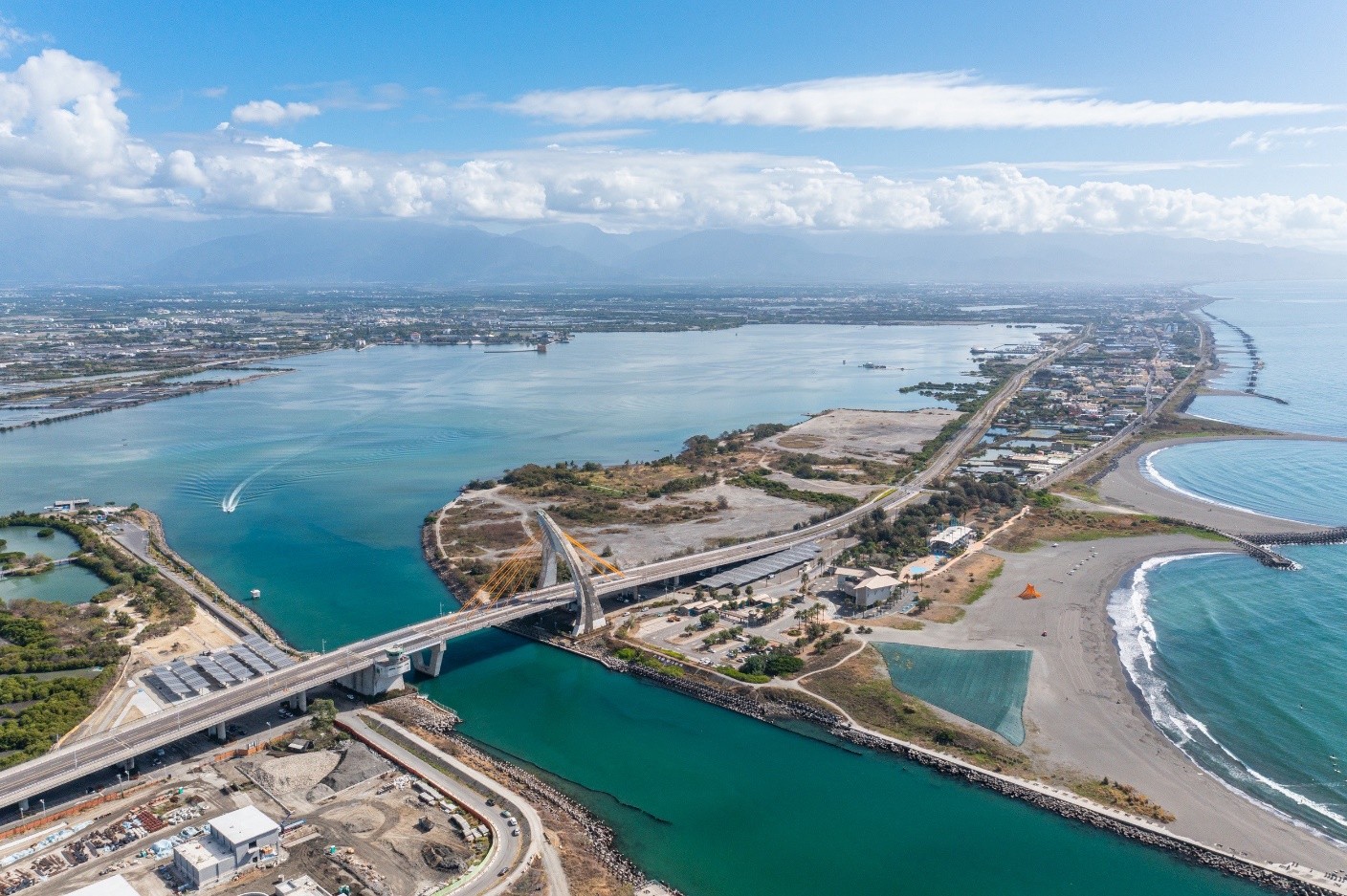
Photo 1. The magnificent lagoon scenery of Dapeng Bay features the Pengwan Cross-Sea Bridge spanning the lagoon. At this site, the Fisheries Research Institute will collaborate with the Dapeng Bay National Scenic Area Headquarters to advance aquatic resource conservation alongside tourism development.
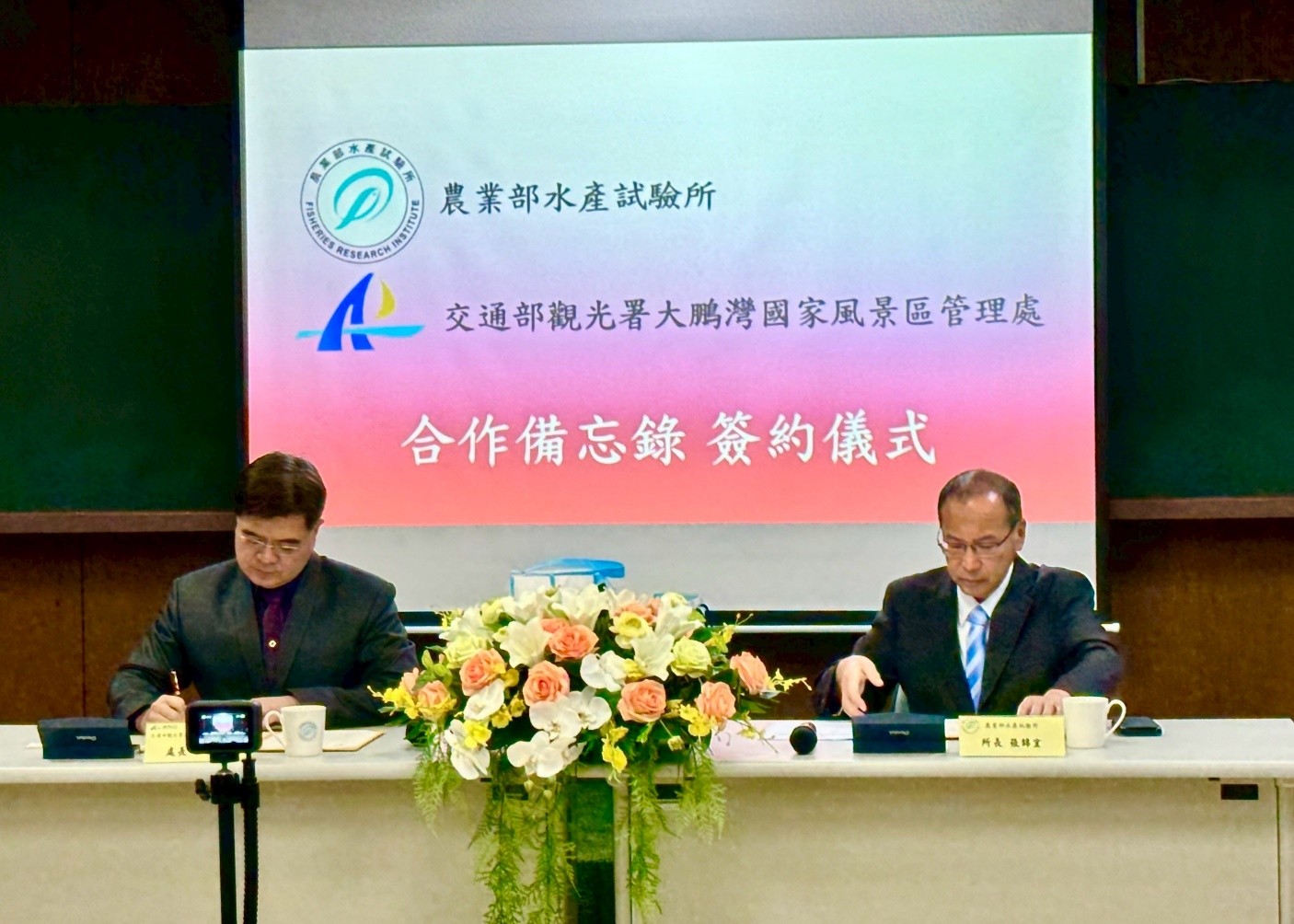
Photo 2. Director Chin-I Chang and Director Wen-Chieh Wang signed the Memorandum of Cooperation at the official signing ceremony, marking the formal initiation of collaboration between the two institutions.
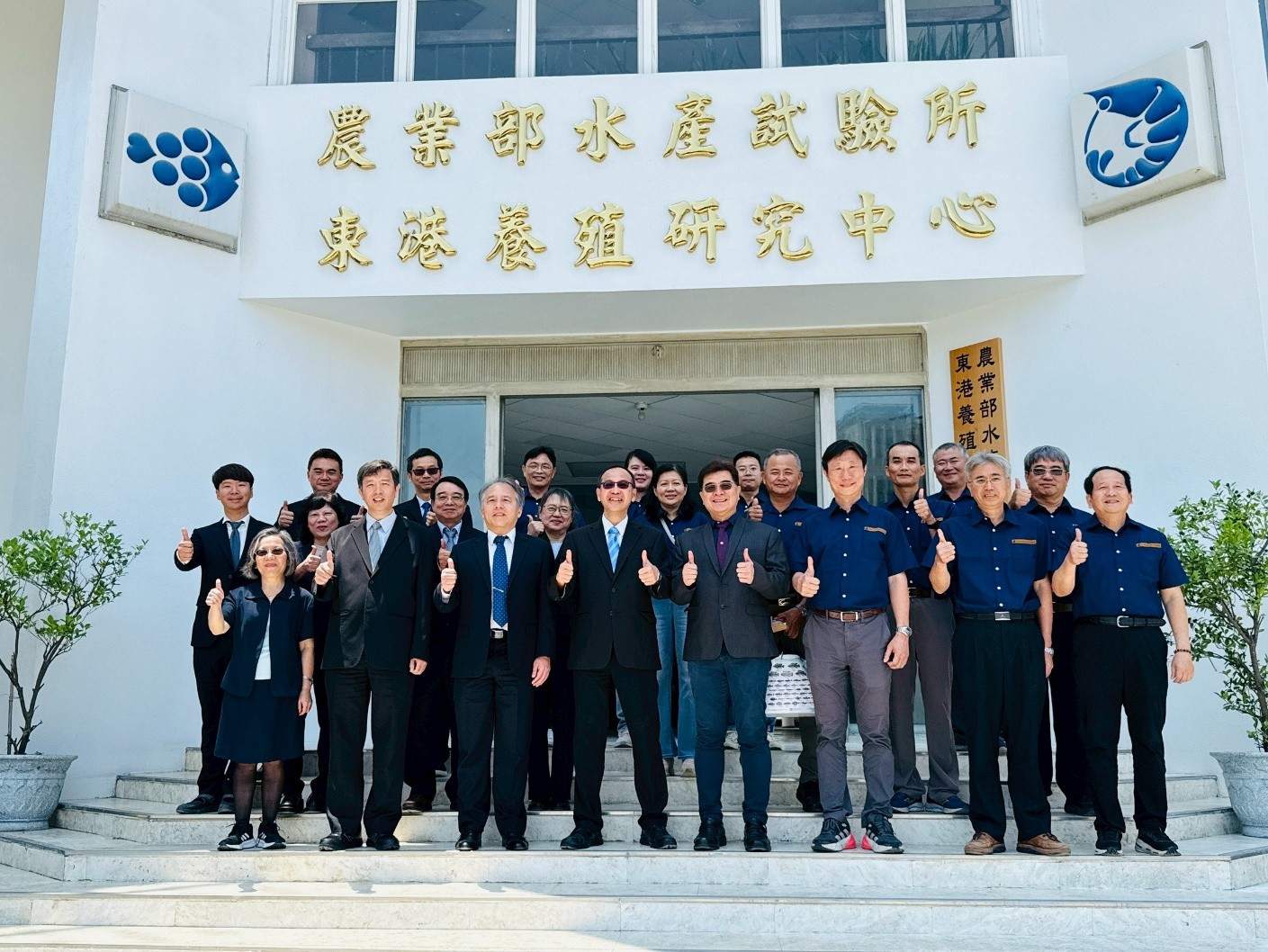
Photo 3. Representatives from the Fisheries Research Institute and the Dapeng Bay National Scenic Area Headquarters pose for a group photo in front of the Tungkang Aquaculture Research Center of the Fisheries Research Institute, reflecting the collaborative partnership supporting local fisheries development.
According to the Fisheries Research Institute, Dapeng Bay represents Taiwan’s few large-scale lagoons formed through artificial engineering and is distinguished by its rich fisheries and ecological resources. The area has long served as a significant center of fisheries production and cultural heritage in southern Taiwan, with more than 250 years of history in aquaculture and fishing. Over the recent decades, Dapeng Bay has undergone successive cycles of expansion and decline in key aquaculture sectors, including milkfish, grass shrimp, and grouper. In response, local development has gradually shifted toward an approach that balances tourism and recreation with ecological conservation. Amid growing challenges posed by climate change, environmental pressures, and industrial restructuring, the establishment of a cross-departmental cooperation mechanism has emerged as an essential strategy for future development.
Over the years, the Fisheries Research Institute has focused on advancing low-carbon sustainable aquaculture, water quality monitoring, seed stock breeding, and technology promotion. Under the current cooperation framework, the Institute will share both research outcomes and field-based resources with the Dapeng Bay National Scenic Area Headquarters. Building on these capacities, the two parties plan to jointly develop marine ranching tours, aquaculture-focused experiential education programs, and branding initiatives for local specialty aquatic products, thereby advancing the integrated objective of co-prosperity in “production, ecology, and living.” Director-General Chin-I CHANG stated, “We are not only researchers of fisheries technology, but also companions in the development of local industries. Through joining hands with the Dapeng Bay National Scenic Area Headquarters and integrating the resources and expertise of both sides, the Fisheries Research Institute will continue to support local revitalization with scientific evidence and technology R&D, enabling research results to step out of the laboratory, move toward industry, and reach the people.”
The memorandum of cooperation is valid for a period of five years. During this time, both parties will convene regular meetings in accordance with the agreement to review progress and adjust implementation strategies as needed, ensuring effective and sustained outcomes. In parallel, the Fisheries Research Institute will continue to advance breeding and culture technologies for a range of aquaculture species, including economically important fish, shrimp, shellfish, and algae. These efforts, grounded in technological innovation and cross-sector collaboration, are intended to promote research directions that emphasize health, natural processes, low-carbon practices, and environmental sustainability, thereby supporting the green transformation of Taiwan’s aquaculture industry and its alignment with international standards.
The Fisheries Research Institute further noted that the Dapeng Bay National Scenic Area Headquarters has, over time, actively implemented water quality improvement initiatives, including constructed wetlands and the Sunset Bay shared water intake system, which have provided stable conditions for aquaculture development. With continued collaboration, the two parties seek to further integrate environmental education into these efforts and extend related initiatives to local communities and schools. Through this approach, the cooperative vision of “technology × tourism × education” is expected to be progressively realized.
Photo 1. The magnificent lagoon scenery of Dapeng Bay features the Pengwan Cross-Sea Bridge spanning the lagoon. At this site, the Fisheries Research Institute will collaborate with the Dapeng Bay National Scenic Area Headquarters to advance aquatic resource conservation alongside tourism development.
Photo 2. Director Chin-I Chang and Director Wen-Chieh Wang signed the Memorandum of Cooperation at the official signing ceremony, marking the formal initiation of collaboration between the two institutions.
Photo 3. Representatives from the Fisheries Research Institute and the Dapeng Bay National Scenic Area Headquarters pose for a group photo in front of the Tungkang Aquaculture Research Center of the Fisheries Research Institute, reflecting the collaborative partnership supporting local fisheries development.
New Fisheries Research Vessels “Fisheries Research Vessel No. 3” and “Fisheries Research Vessel No. 6” Officially Commence Operations Today The Fisheries Research Institute Actively Expands Its Fleet
Inaugural Cross-sector Collaboration Engaging Students in Fisheries Technology Development: A Joint Initiative of the Fisheries Research Institute, National Taiwan Ocean University, and the Keelung ..