
:::
News
New Fisheries Research Vessels “Fisheries Research Vessel No. 3” and “Fisheries Research Vessel No. 6” Officially Commence Operations Today The Fisheries Research Institute Actively Expands Its Fleet
- PostDate:2025-08-15
The Fisheries Research Institute conducted the commissioning and naming ceremony for two newly built 100-gross-ton-class fisheries research vessels at 10:00 a.m. on May 28, 2025, at the official pier of its Keelung Headquarters. The ceremony was presided over by Director Chin-I Chang of the Fisheries Research Institute. Representatives from Taiwan’s maritime, ocean, and fisheries administrative agencies were invited to attend, along with domestic scholars specializing in marine ecology and fisheries biology. The commissioning of the two vessels marks a significant expansion of Taiwan’s experimental infrastructure for sustainable fisheries research into both western and eastern sea areas and strengthens the national fleet dedicated to marine fisheries resource surveys.
In his remarks, Director Chin-I Chang noted that the two new vessels were constructed as part of the Fisheries Research Institute’s medium- to long-term initiative, “Upgrading the R&D foundational capacity for building sustainable fisheries resources and responding to climate change.” Preparatory work began in 2019, followed by support from the Ministry of Agriculture and approval by the Executive Yuan, with formal implementation commencing in 2020. The two vessels were built by PT United Sindo Perkasa Shipyard in Batam Island, Indonesia, with Awareocean overseeing project management and construction supervision. Construction began on April 7, 2022, the keel was laid on June 30, 2022, and the vessels were launched on August 7 and 31, 2023, respectively. After nearly four years of development, the vessels were delivered in April 2025 and officially entered service on the day of the ceremony.
The Fisheries Research Institute noted that, as Taiwan’s longest-established government agency dedicated to fisheries experimental research, its research vessels are responsible for a wide range of national tasks, including fisheries resource surveys, fishing trials, evaluations of fishing methods and gear, and hydrographic observations. Prior to the current expansion, the Institute operated two fisheries research vessels, Fisheries Research Vessel No. 1 and Fisheries Research Vessel No. 2. Accordingly, during the ceremony, the two newly commissioned vessels were officially renamed “Fisheries Research Vessel No. 3” and “Fisheries Research Vessel No. 6.” Beyond conveying expectations for their future service, the naming also reflects the Institute’s continuity and advancement in fisheries experimental research. Following formal commissioning, the two vessels will be assigned to the Penghu Fisheries Biology Research Center and the Eastern Fisheries Biology Research Center, respectively. Their designated home ports will be Magong, Penghu, and Xingang in Taitung, from which they will conduct various missions, including fisheries resource assessments and hydrographic surveys.
The Fisheries Research Institute further explained that Fisheries Research Vessel No. 3 and Fisheries Research Vessel No. 6 are sister vessels sharing similar basic designs. Each vessel has a gross tonnage of 174 tons, a length of 27.5 meters, a draft of 2.5 meters, and an operational endurance of approximately 900 nautical miles, allowing them to undertake research missions in waters surrounding Taiwan. However, in response to the differing marine environmental characteristics of the waters where the two vessels are permanently stationed, the Institute customized the selection and configuration of the test vessels’ scientific instruments and onboard equipment to reflect local research needs. For example, Fisheries Research Vessel No. 3 is equipped with a grab-type sediment sampler, a box-type sediment sampler, and a multi-tube sediment sampler, supporting seabed sampling operations in the waters around Penghu. In contrast, Fisheries Research Vessel No. 6 has been configured to match the characteristics of local fisheries in the eastern region and includes a live-fish hold and a detachable billfish harpooning platform. These features enhance the Institute’s capacity to conduct larger-scale tagging-and-release experiments. Following the naming ceremony, the attending guests were invited to tour the vessels and their scientific facilities, opening up opportunities for future collaboration in fisheries research.
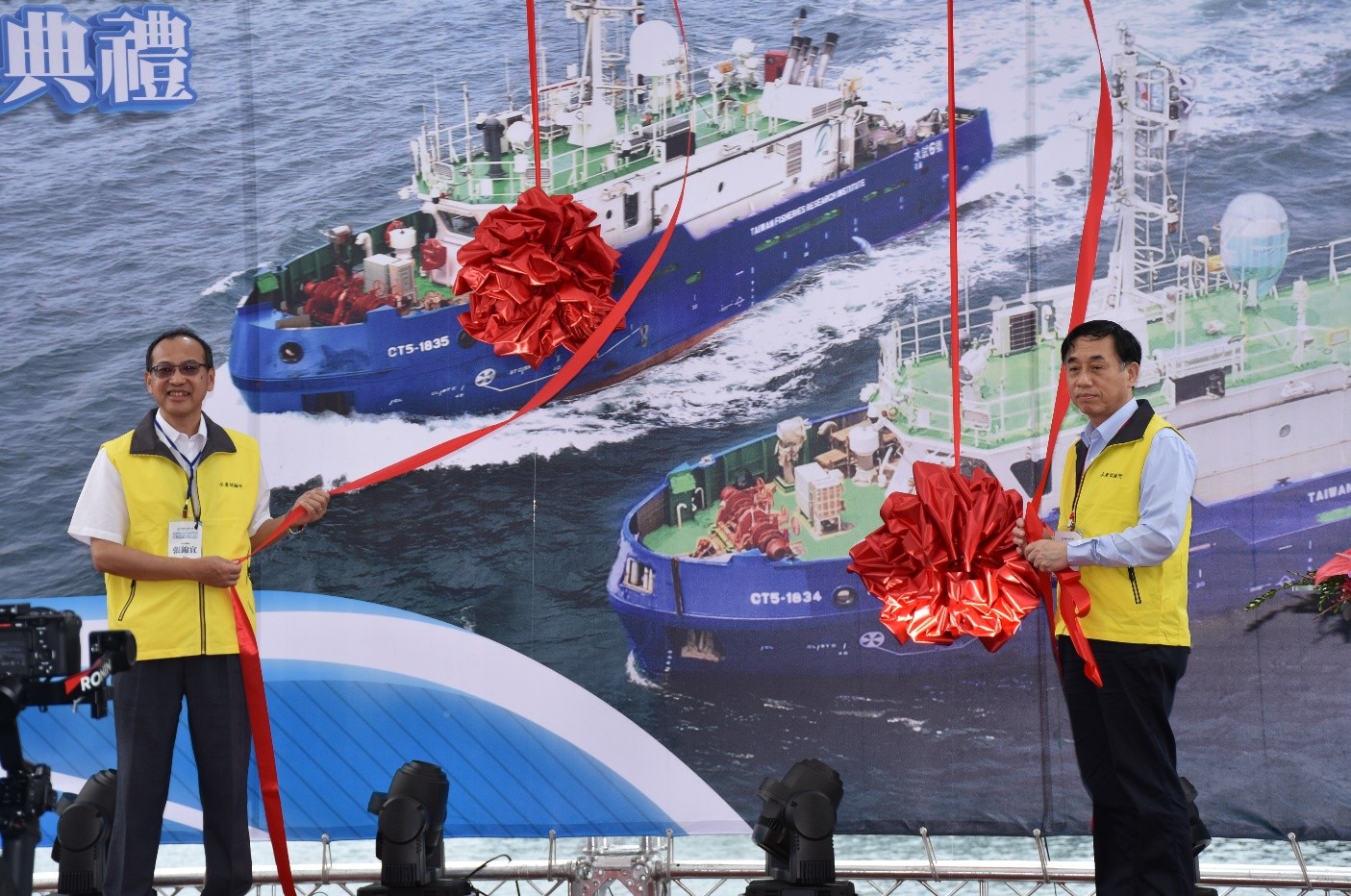
Photo 1. Group photo of invited officials and guests at the commissioning and naming ceremony for two newly built 100-gross-ton-class fisheries research vessels
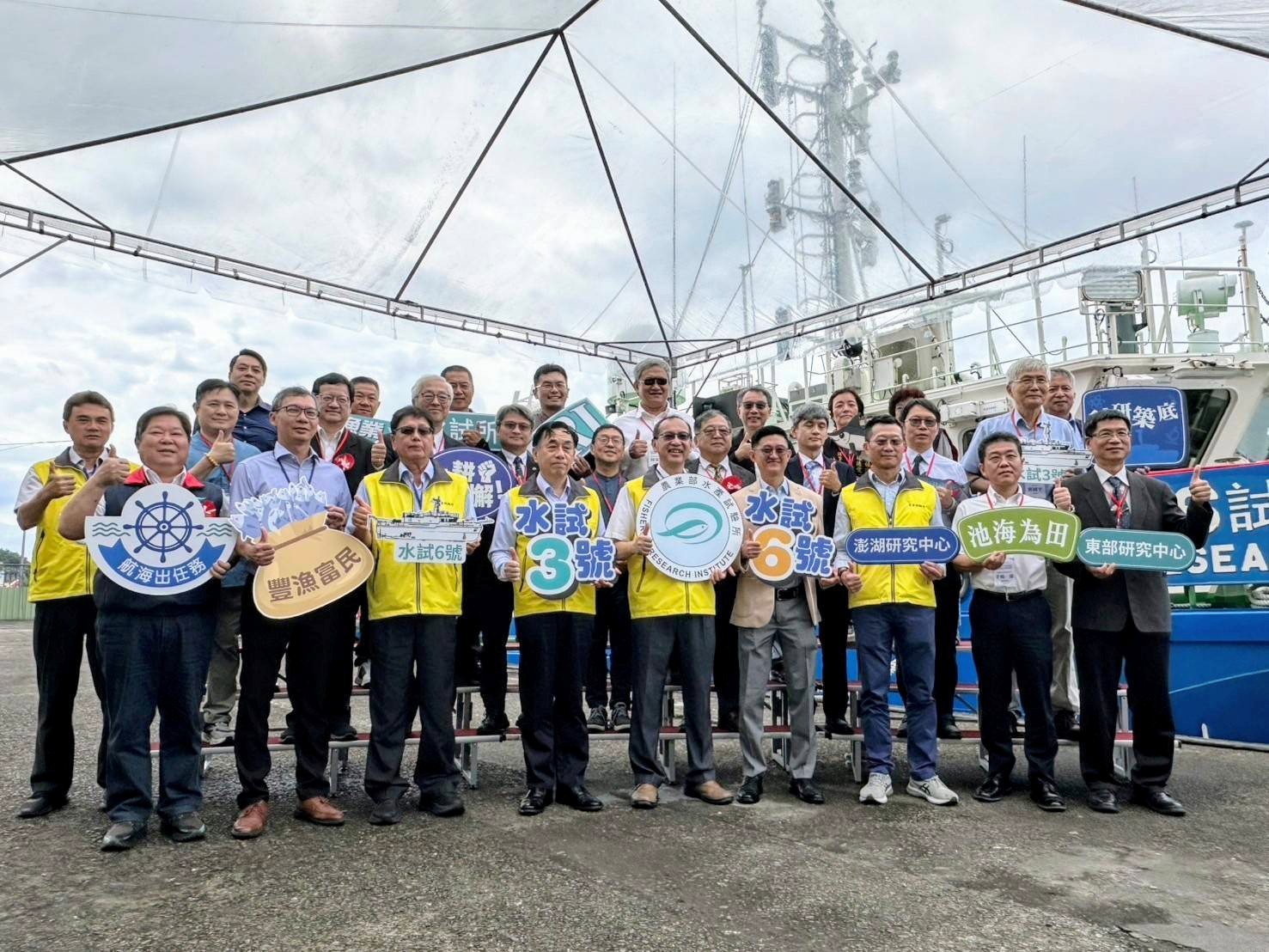
Photo 2. Former Director Jum-Ru Chen and Director Chin-I Chang of the Fisheries Research Institute jointly presided over the naming ceremonies for Fisheries Research Vessel No. 3 and Fisheries Research Vessel No. 6.
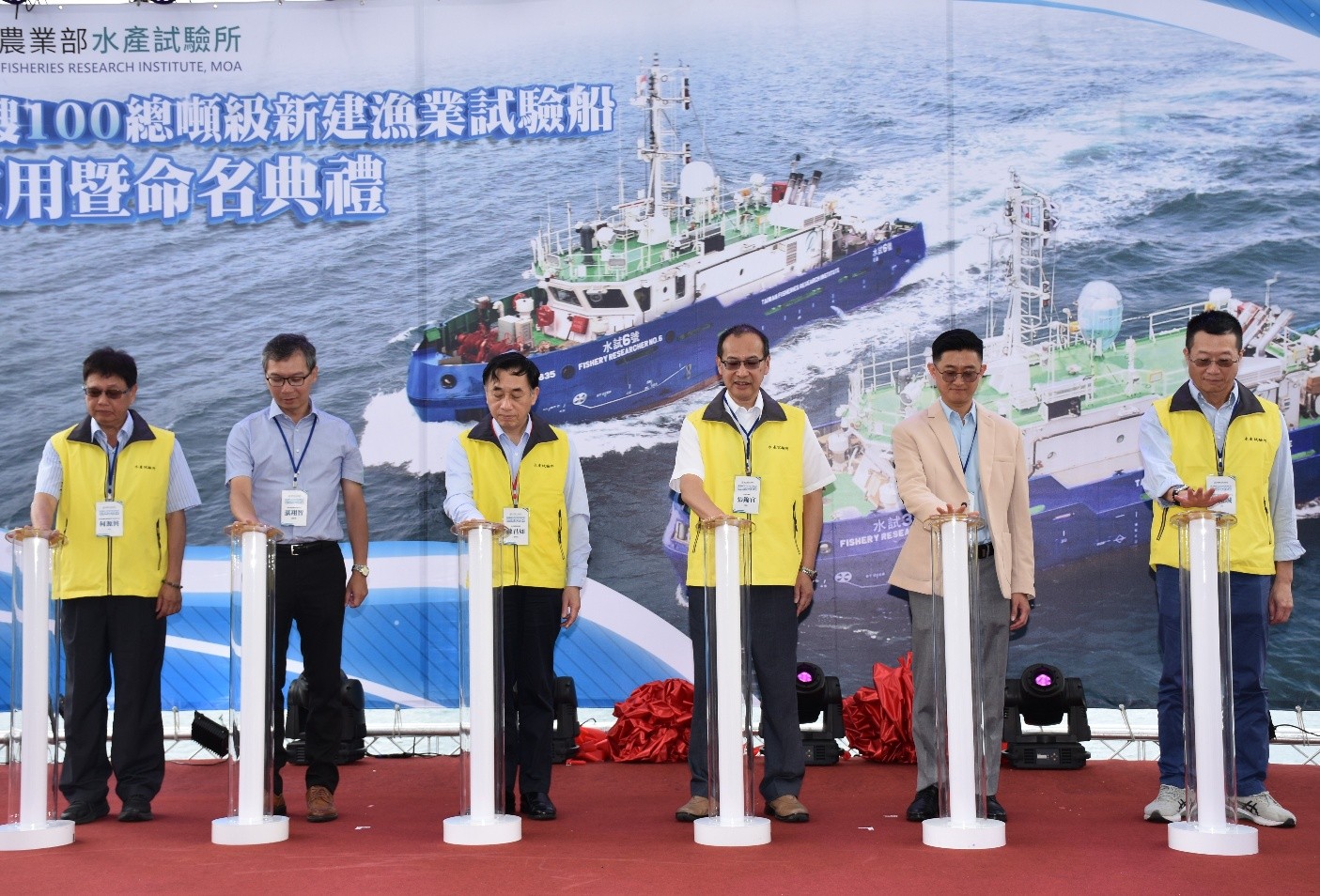
Photo 3. Fisheries Research Vessel No. 3 and Fisheries Research Vessel No. 6 have officially been put into service.
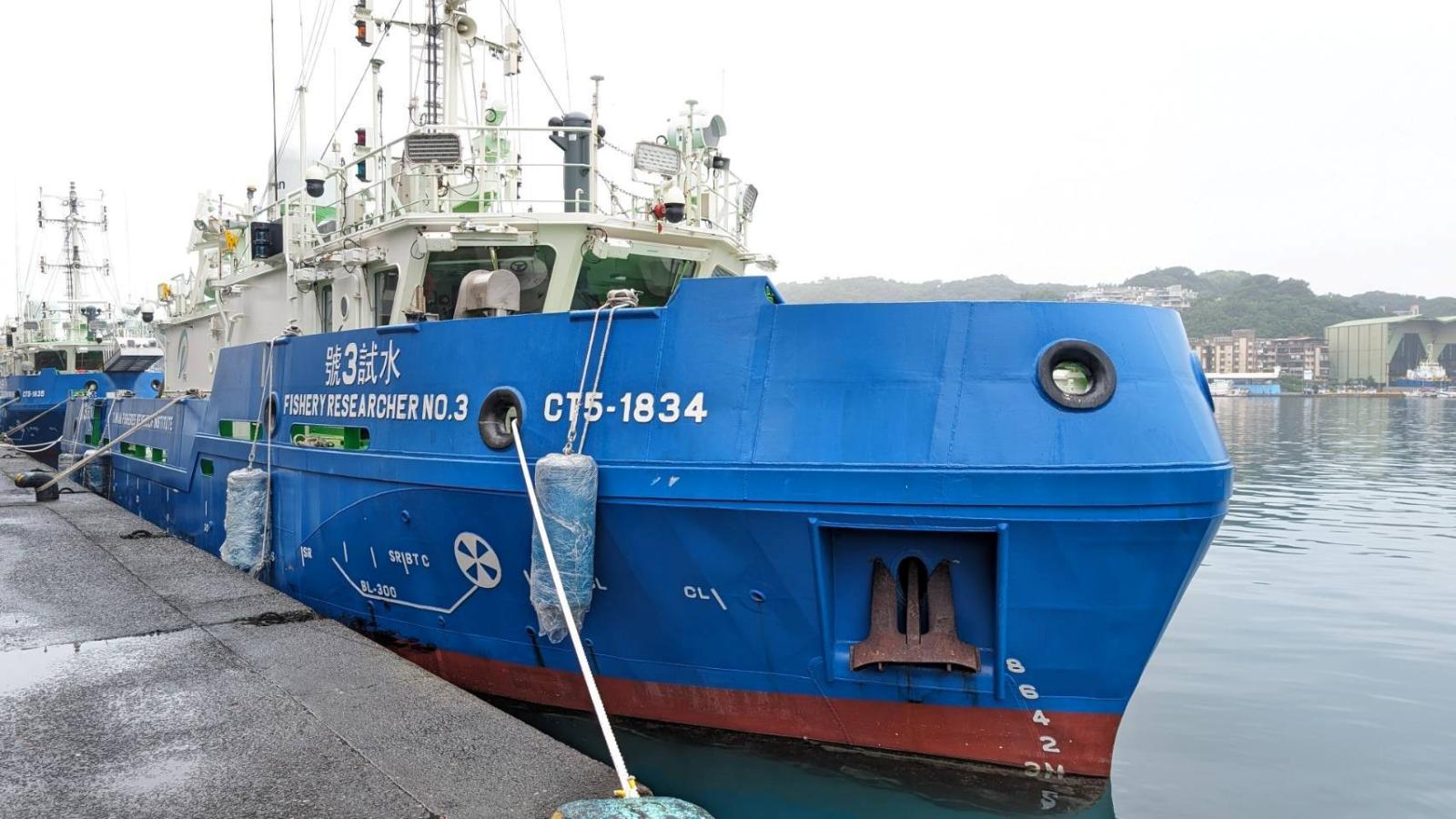
Photo 4. Fisheries Research Vessel No. 3.
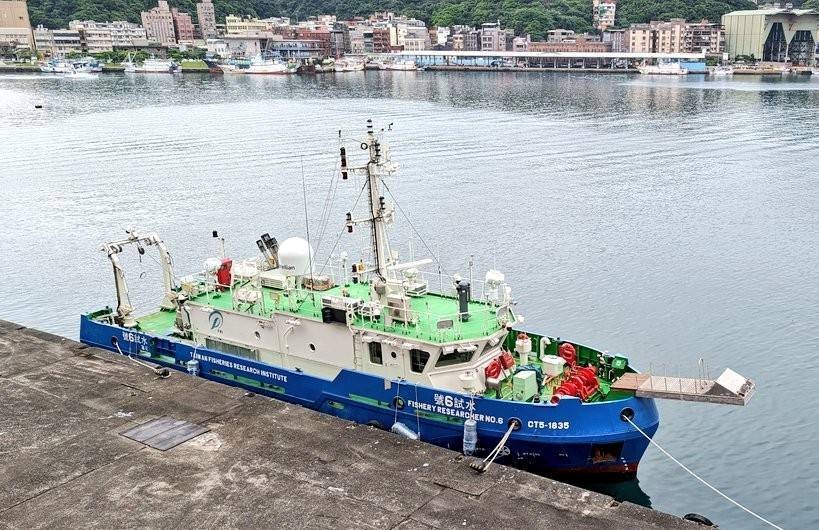
Photo 5. Fisheries Research Vessel No. 6.
In his remarks, Director Chin-I Chang noted that the two new vessels were constructed as part of the Fisheries Research Institute’s medium- to long-term initiative, “Upgrading the R&D foundational capacity for building sustainable fisheries resources and responding to climate change.” Preparatory work began in 2019, followed by support from the Ministry of Agriculture and approval by the Executive Yuan, with formal implementation commencing in 2020. The two vessels were built by PT United Sindo Perkasa Shipyard in Batam Island, Indonesia, with Awareocean overseeing project management and construction supervision. Construction began on April 7, 2022, the keel was laid on June 30, 2022, and the vessels were launched on August 7 and 31, 2023, respectively. After nearly four years of development, the vessels were delivered in April 2025 and officially entered service on the day of the ceremony.
The Fisheries Research Institute noted that, as Taiwan’s longest-established government agency dedicated to fisheries experimental research, its research vessels are responsible for a wide range of national tasks, including fisheries resource surveys, fishing trials, evaluations of fishing methods and gear, and hydrographic observations. Prior to the current expansion, the Institute operated two fisheries research vessels, Fisheries Research Vessel No. 1 and Fisheries Research Vessel No. 2. Accordingly, during the ceremony, the two newly commissioned vessels were officially renamed “Fisheries Research Vessel No. 3” and “Fisheries Research Vessel No. 6.” Beyond conveying expectations for their future service, the naming also reflects the Institute’s continuity and advancement in fisheries experimental research. Following formal commissioning, the two vessels will be assigned to the Penghu Fisheries Biology Research Center and the Eastern Fisheries Biology Research Center, respectively. Their designated home ports will be Magong, Penghu, and Xingang in Taitung, from which they will conduct various missions, including fisheries resource assessments and hydrographic surveys.
The Fisheries Research Institute further explained that Fisheries Research Vessel No. 3 and Fisheries Research Vessel No. 6 are sister vessels sharing similar basic designs. Each vessel has a gross tonnage of 174 tons, a length of 27.5 meters, a draft of 2.5 meters, and an operational endurance of approximately 900 nautical miles, allowing them to undertake research missions in waters surrounding Taiwan. However, in response to the differing marine environmental characteristics of the waters where the two vessels are permanently stationed, the Institute customized the selection and configuration of the test vessels’ scientific instruments and onboard equipment to reflect local research needs. For example, Fisheries Research Vessel No. 3 is equipped with a grab-type sediment sampler, a box-type sediment sampler, and a multi-tube sediment sampler, supporting seabed sampling operations in the waters around Penghu. In contrast, Fisheries Research Vessel No. 6 has been configured to match the characteristics of local fisheries in the eastern region and includes a live-fish hold and a detachable billfish harpooning platform. These features enhance the Institute’s capacity to conduct larger-scale tagging-and-release experiments. Following the naming ceremony, the attending guests were invited to tour the vessels and their scientific facilities, opening up opportunities for future collaboration in fisheries research.
Photo 1. Group photo of invited officials and guests at the commissioning and naming ceremony for two newly built 100-gross-ton-class fisheries research vessels
Photo 2. Former Director Jum-Ru Chen and Director Chin-I Chang of the Fisheries Research Institute jointly presided over the naming ceremonies for Fisheries Research Vessel No. 3 and Fisheries Research Vessel No. 6.
Photo 3. Fisheries Research Vessel No. 3 and Fisheries Research Vessel No. 6 have officially been put into service.
Photo 4. Fisheries Research Vessel No. 3.
Photo 5. Fisheries Research Vessel No. 6.