
:::
News
Challenge Your Taste Buds: The Fisheries Research Institute Takes You to Explore Taiwan’s Oyster Flavors
- PostDate:2025-09-22
Oysters are widely valued for their fresh, sweet, and rich flavor. To systematically examine the sensory characteristics of locally produced oysters in Taiwan, the Fisheries Research Institute partnered with National Taiwan Ocean University, employing advanced analytical instruments to elucidate the chemical and sensory bases of oyster flavor and to enhance the market value of domestically produced aquatic products.
According to the Fisheries Research Institute, the southwest coast of Taiwan has hydrological conditions particularly conducive to oyster cultivation. Oysters farmed in regions such as Changhua, Yunlin, Chiayi, and Tainan are the most representative. Variations in environmental conditions contribute to distinct flavor profiles, characterized by a plump and tender texture, a fresh and mildly sweet taste, and subtle marine notes. Compared with imported oysters, locally produced oysters offer advantages in freshness and reduced carbon footprint and are more closely aligned with the dietary preferences of Taiwanese consumers.
The Fisheries Research Institute, in collaboration with the National Taiwan Ocean University, employed precision analytical instruments, including gas chromatography–mass spectrometry (GC-MS) and high-performance liquid chromatography (HPLC), to examine key flavor-related compounds in domestically produced oysters. The analyses focused on free amino acids, taste-active nucleotides, and glycogen, revealing that oyster sweetness is closely associated with the concentrations of taste-active amino acids, including glutamic acid, aspartic acid, alanine, and glycine. Overall, domestically produced oysters exhibited slightly superior profiles compared with imported overseas oysters in terms of total taste, umami-related compounds, and sweet-tasting amino acids. Glycogen was also identified as a contributor to mouthfeel, and oysters harvested locally during the primary production season from March to September showed significantly higher glycogen levels than their imported counterparts. Additionally, oysters from different regions displayed distinct aromatic characteristics, reflecting variation in local growing environments. Sensory evaluation indicated that domestically produced oysters often possess subtle mushroom-like and fresh grassy notes, which are further expressed in traditional dishes such as oyster omelets and oyster fritters, highlighting the diversity and specificity of Taiwanese oyster flavor.
The Fisheries Research Institute noted that collaborative research and in-depth analyses conducted with National Taiwan Ocean University have enhanced consumer understanding of the advantages of domestically produced oysters while contributing to the establishment of the “local production for local consumption” brand concept and strengthening market competitiveness. Looking ahead, the Institute will continue to work with academic and industry partners to actively promote the distinctive flavor, nutritional value, and other strengths of domestically produced oysters, including traceable production systems, to position Taiwanese oysters as a benchmark for high-quality seafood and to further expand both domestic and international markets.
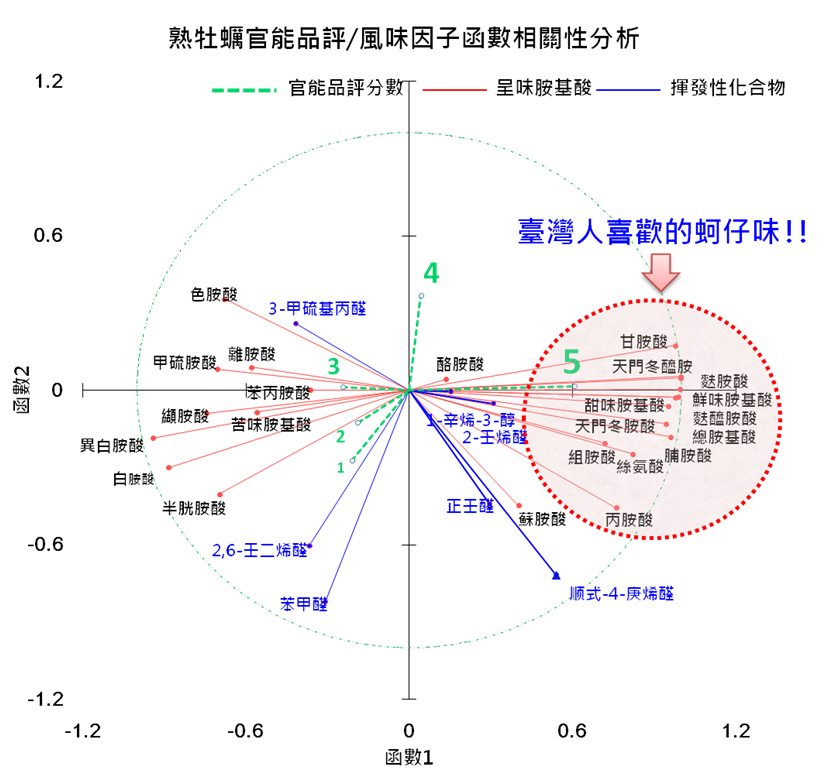
Photo 1. Precision scientific instruments were used to examine “oyster flavor” profiles preferred by Taiwanese consumers. The results indicate that domestically produced oysters contain higher levels of umami- and sweet-related amino acids than imported oysters and exhibit a lower propensity for bitterness.
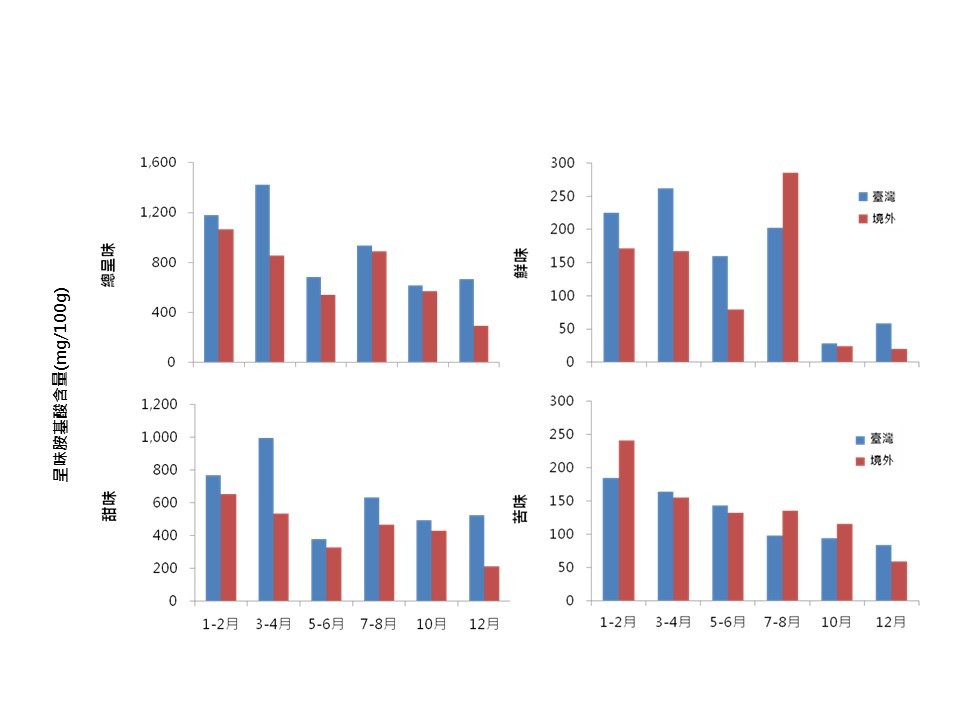
Photo 2. Levels of total taste-related amino acids, umami-associated amino acids, and sweet-tasting amino acids in domestically produced fresh oysters are generally higher than those in imported oysters. In contrast, imported oysters harvested during January–February exhibit higher concentrations of bitter-tasting amino acids.
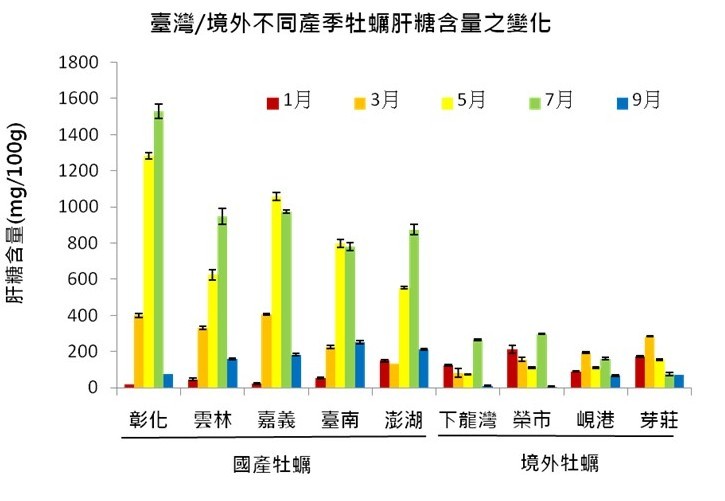
Photo 3. During the peak production season (March–September), locally sourced fresh oysters exhibit substantially higher glycogen levels than imported oysters. This elevated glycogen content is associated with a fresh, sweet, and richly full-bodied profile, making it a favorite among connoisseurs.
According to the Fisheries Research Institute, the southwest coast of Taiwan has hydrological conditions particularly conducive to oyster cultivation. Oysters farmed in regions such as Changhua, Yunlin, Chiayi, and Tainan are the most representative. Variations in environmental conditions contribute to distinct flavor profiles, characterized by a plump and tender texture, a fresh and mildly sweet taste, and subtle marine notes. Compared with imported oysters, locally produced oysters offer advantages in freshness and reduced carbon footprint and are more closely aligned with the dietary preferences of Taiwanese consumers.
The Fisheries Research Institute, in collaboration with the National Taiwan Ocean University, employed precision analytical instruments, including gas chromatography–mass spectrometry (GC-MS) and high-performance liquid chromatography (HPLC), to examine key flavor-related compounds in domestically produced oysters. The analyses focused on free amino acids, taste-active nucleotides, and glycogen, revealing that oyster sweetness is closely associated with the concentrations of taste-active amino acids, including glutamic acid, aspartic acid, alanine, and glycine. Overall, domestically produced oysters exhibited slightly superior profiles compared with imported overseas oysters in terms of total taste, umami-related compounds, and sweet-tasting amino acids. Glycogen was also identified as a contributor to mouthfeel, and oysters harvested locally during the primary production season from March to September showed significantly higher glycogen levels than their imported counterparts. Additionally, oysters from different regions displayed distinct aromatic characteristics, reflecting variation in local growing environments. Sensory evaluation indicated that domestically produced oysters often possess subtle mushroom-like and fresh grassy notes, which are further expressed in traditional dishes such as oyster omelets and oyster fritters, highlighting the diversity and specificity of Taiwanese oyster flavor.
The Fisheries Research Institute noted that collaborative research and in-depth analyses conducted with National Taiwan Ocean University have enhanced consumer understanding of the advantages of domestically produced oysters while contributing to the establishment of the “local production for local consumption” brand concept and strengthening market competitiveness. Looking ahead, the Institute will continue to work with academic and industry partners to actively promote the distinctive flavor, nutritional value, and other strengths of domestically produced oysters, including traceable production systems, to position Taiwanese oysters as a benchmark for high-quality seafood and to further expand both domestic and international markets.
Photo 1. Precision scientific instruments were used to examine “oyster flavor” profiles preferred by Taiwanese consumers. The results indicate that domestically produced oysters contain higher levels of umami- and sweet-related amino acids than imported oysters and exhibit a lower propensity for bitterness.
Photo 2. Levels of total taste-related amino acids, umami-associated amino acids, and sweet-tasting amino acids in domestically produced fresh oysters are generally higher than those in imported oysters. In contrast, imported oysters harvested during January–February exhibit higher concentrations of bitter-tasting amino acids.
Photo 3. During the peak production season (March–September), locally sourced fresh oysters exhibit substantially higher glycogen levels than imported oysters. This elevated glycogen content is associated with a fresh, sweet, and richly full-bodied profile, making it a favorite among connoisseurs.
Fisheries Research Institute and Xpark Establish Academic Partnership to Advance Marine Biodiversity Conservation and Education
New Fisheries Research Vessels “Fisheries Research Vessel No. 3” and “Fisheries Research Vessel No. 6” Officially Commence Operations Today The Fisheries Research Institute Actively Expands Its Fleet