
:::
News
Aquatic Ark Sets Sail! Tungkang Shrimp and Algae Germplasm Bank Begins Operation, Strengthening Taiwan’s Shrimp Industry
- PostDate:2025-12-08
To strengthen germplasm preservation and biosafety management in Taiwan’s shrimp aquaculture sector, the Fisheries Research Institute under the Ministry of Agriculture has established the Tungkang Shrimp and Algae Germplasm Bank, which officially opened on October 2, 2025. The facility meets high biosafety standards and integrates the preservation of core germplasm resources with a stable supply of key feed organisms. It has been described as an “Aquatic Ark” for Taiwan’s shrimp and algae resources, supporting the integrity and biosecurity of the shrimp industry chain at its source and marking a new milestone for sustainable industry development.
To support the sustainable development of Taiwan’s aquaculture industry and conserve aquatic genetic resources, the Fisheries Research Institute has established a national conservation network of germplasm banks with complementary roles. Within this network, each facility operates with a distinct focus. The Penghu Fisheries Research Center emphasizes habitat-based conservation, drawing on the marine ecological conditions of the Penghu Archipelago. The Freshwater Aquaculture Research Center serves as the network's primary facility for freshwater species and focuses on genetic improvement and selective breeding, particularly of tilapia, a key export species in Taiwan. The Eastern Marine Biology Research Center utilizes deep ocean water resources along Taiwan's eastern coast to support the development and cultivation of low-temperature marine species with high economic value, including grouper and clownfish.
Compared with the three germplasm banks described above, which are defined by their regional and resource characteristics, the Tungkang Shrimp and Algae Germplasm Bank places greater emphasis on integrated biosafety management. The facility maintains six to eight species of commercially important shrimp and 16 to 20 species of algae. It also integrates four stages, namely conservation, reproduction, nursery rearing, and breeding, into a continuous process to support the selection and improvement of shrimp germplasm. In the future, the facility is expected to supply high-quality SPF broodstock and larvae to aquaculture producers, helping to address domestic shortages of shrimp germplasm, strengthen the competitiveness of the shrimp industry, and support the recovery of Taiwan’s former status as the kingdom of shrimp.
The Fisheries Research Institute stated that the first floor of the Tungkang Shrimp and Algae Germplasm Bank houses the “Shrimp Germplasm Area,” where key commercial species, including white shrimp, giant tiger prawn, and giant freshwater prawn, are maintained. This area adopts an independent compartmentalized design. Quarantine, nursery rearing, maturation induction, mating, and hatching are conducted in fully isolated units, each with dedicated environmental control, water supply and drainage, and life-support systems. This design reduces the risk of external pathogen introduction and cross-contamination, providing controlled conditions for the maintenance of shrimp germplasm.
The second floor contains the “Algae Germplasm Area,” which functions as an internal feed production unit, allowing the ark to maintain self-sufficiency. It cultivates microalgae required during early larval development, including Nannochloropsis, Isochrysis, Thalassiosira weissflogii, and Chaetoceros muelleri. These species serve as direct feed for shrimp larvae and as nutritional input for later-stage feed organisms such as Artemia and rotifers.
By establishing an internal supply system, the facility reduces dependence on external feed sources of variable quality and supports more stable larval production. This integrated approach also contributes to improved biosecurity by limiting potential pathways for disease introduction.
The Fisheries Research Institute stated that the completion and operation of the Tungkang Shrimp and Algae Germplasm Bank represents a significant step in strengthening germplasm preservation and biosafety capacity in Taiwan's aquaculture sector. Looking ahead, the Institute plans to use the facility as a base for the continued selection and breeding of shrimp strains with improved disease resistance. It also intends to promote the management model developed at the facility across the aquaculture industry. By establishing a more standardized system for germplasm preservation and internal feed supply, the facility is expected to support more stable and sustainable development of Taiwan’s shrimp industry.
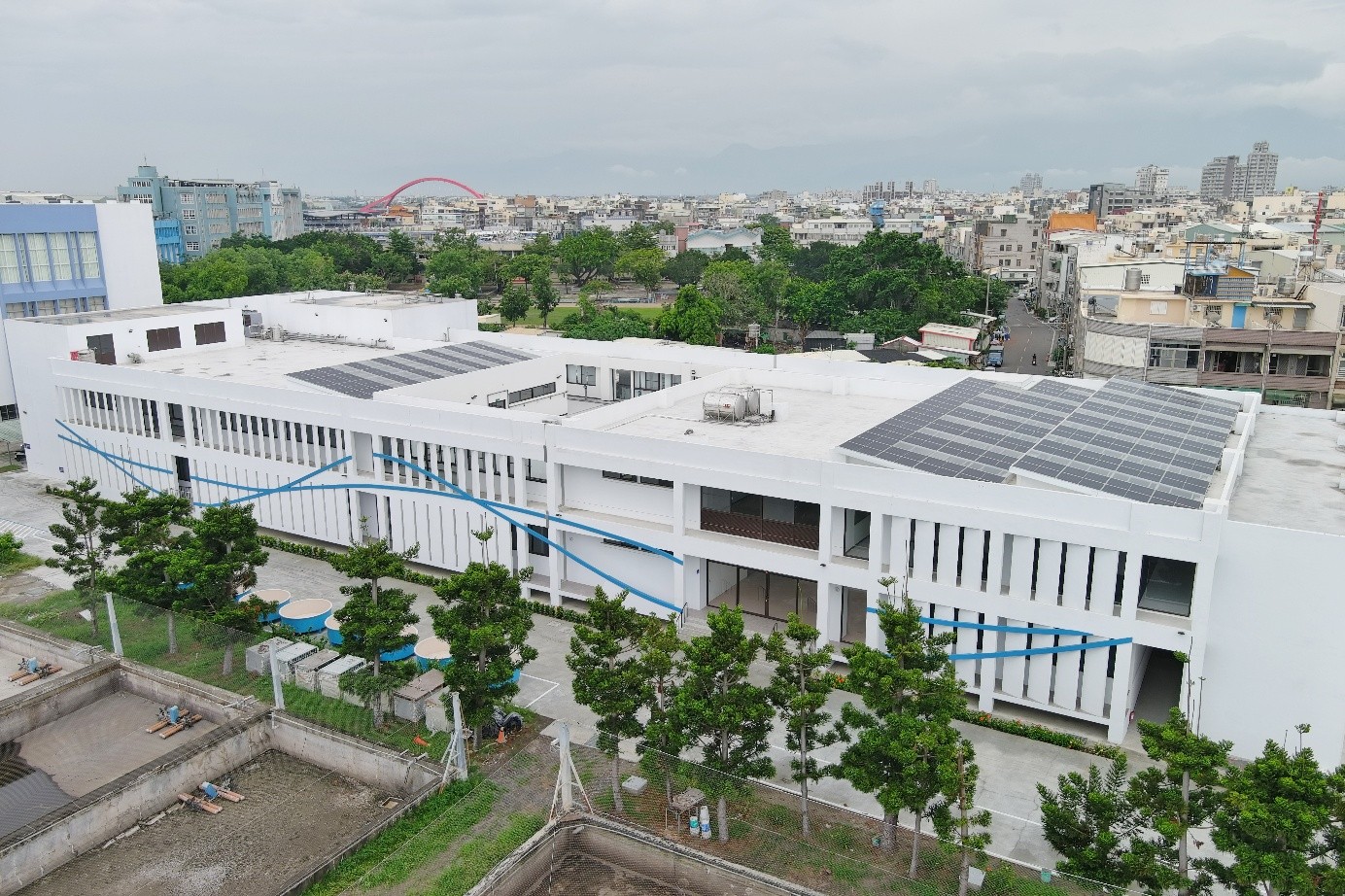
Figure 1. Newly completed Tungkang Shrimp and Algae Germplasm Bank. The facility incorporates comprehensive biosafety-oriented design and serves as a conservation base for economically important shrimp species in Taiwan, including white shrimp.
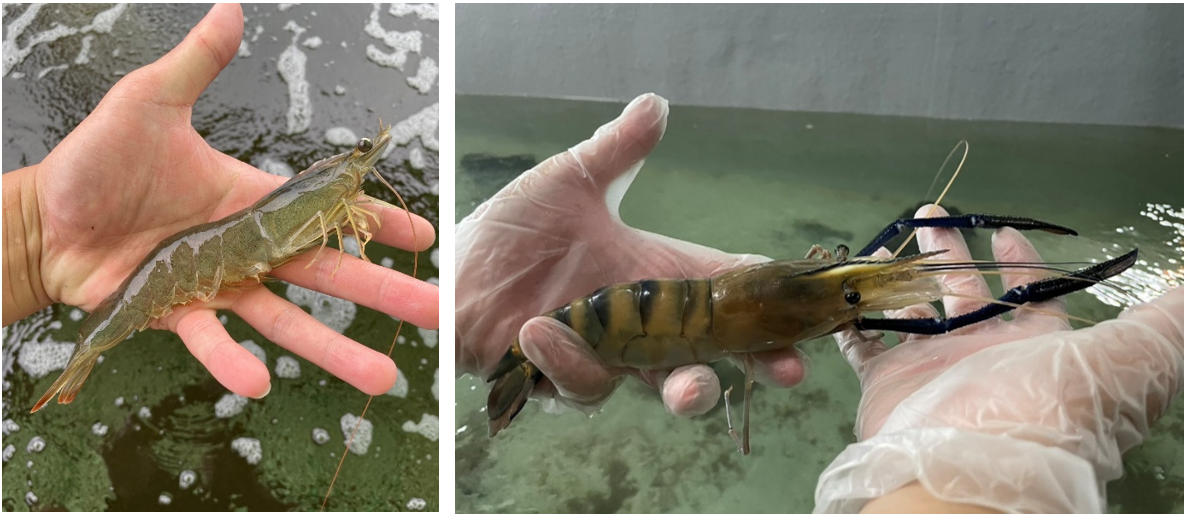
Figure 2. The “Shrimp Germplasm Area” on the first floor of the germplasm bank, where key farmed shrimp species in Taiwan are maintained. (Left) White shrimp; (Right) Giant freshwater prawn.
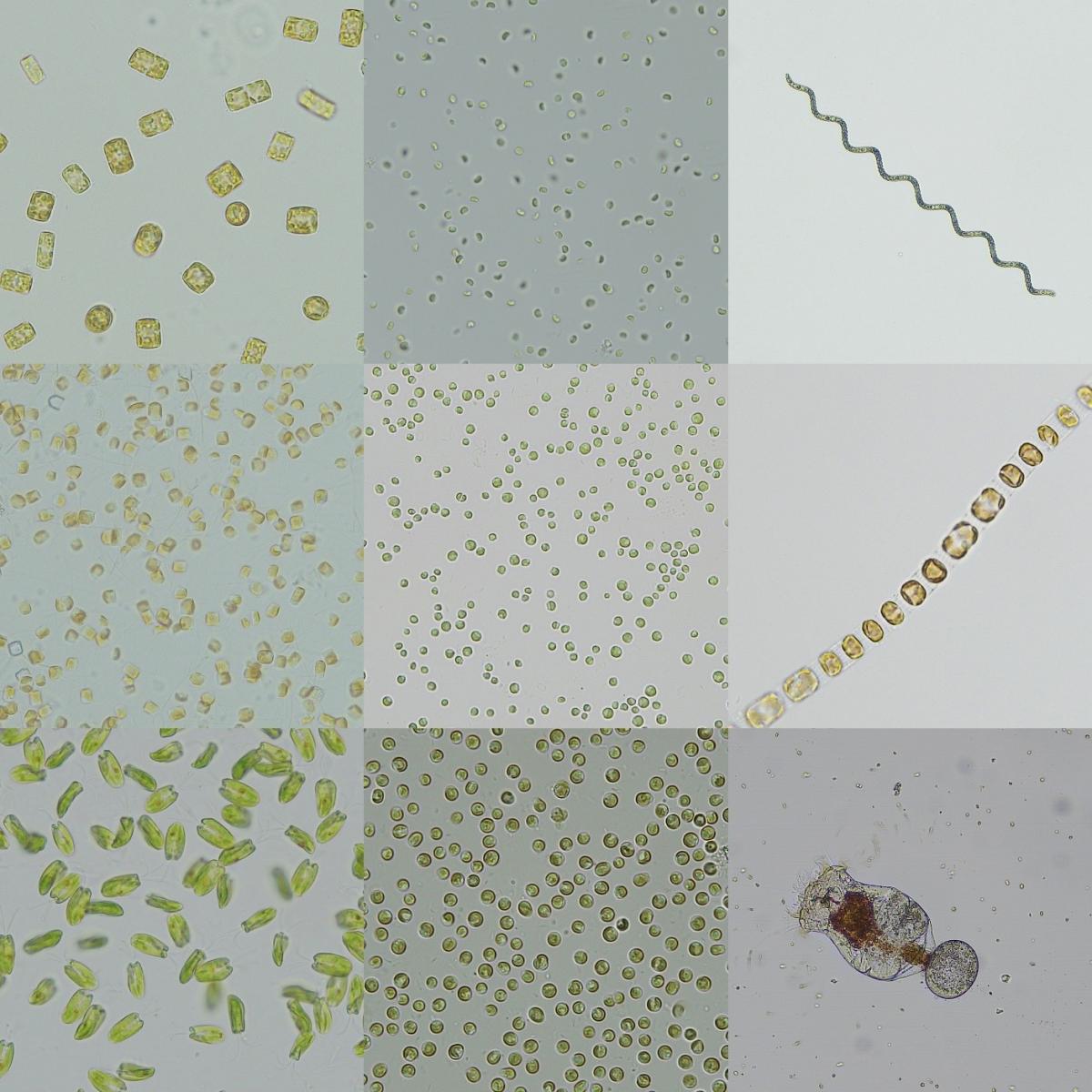
Figure 3. Feed organisms used during early shrimp development, providing stable and controlled nutritional input.
To support the sustainable development of Taiwan’s aquaculture industry and conserve aquatic genetic resources, the Fisheries Research Institute has established a national conservation network of germplasm banks with complementary roles. Within this network, each facility operates with a distinct focus. The Penghu Fisheries Research Center emphasizes habitat-based conservation, drawing on the marine ecological conditions of the Penghu Archipelago. The Freshwater Aquaculture Research Center serves as the network's primary facility for freshwater species and focuses on genetic improvement and selective breeding, particularly of tilapia, a key export species in Taiwan. The Eastern Marine Biology Research Center utilizes deep ocean water resources along Taiwan's eastern coast to support the development and cultivation of low-temperature marine species with high economic value, including grouper and clownfish.
Compared with the three germplasm banks described above, which are defined by their regional and resource characteristics, the Tungkang Shrimp and Algae Germplasm Bank places greater emphasis on integrated biosafety management. The facility maintains six to eight species of commercially important shrimp and 16 to 20 species of algae. It also integrates four stages, namely conservation, reproduction, nursery rearing, and breeding, into a continuous process to support the selection and improvement of shrimp germplasm. In the future, the facility is expected to supply high-quality SPF broodstock and larvae to aquaculture producers, helping to address domestic shortages of shrimp germplasm, strengthen the competitiveness of the shrimp industry, and support the recovery of Taiwan’s former status as the kingdom of shrimp.
The Fisheries Research Institute stated that the first floor of the Tungkang Shrimp and Algae Germplasm Bank houses the “Shrimp Germplasm Area,” where key commercial species, including white shrimp, giant tiger prawn, and giant freshwater prawn, are maintained. This area adopts an independent compartmentalized design. Quarantine, nursery rearing, maturation induction, mating, and hatching are conducted in fully isolated units, each with dedicated environmental control, water supply and drainage, and life-support systems. This design reduces the risk of external pathogen introduction and cross-contamination, providing controlled conditions for the maintenance of shrimp germplasm.
The second floor contains the “Algae Germplasm Area,” which functions as an internal feed production unit, allowing the ark to maintain self-sufficiency. It cultivates microalgae required during early larval development, including Nannochloropsis, Isochrysis, Thalassiosira weissflogii, and Chaetoceros muelleri. These species serve as direct feed for shrimp larvae and as nutritional input for later-stage feed organisms such as Artemia and rotifers.
By establishing an internal supply system, the facility reduces dependence on external feed sources of variable quality and supports more stable larval production. This integrated approach also contributes to improved biosecurity by limiting potential pathways for disease introduction.
The Fisheries Research Institute stated that the completion and operation of the Tungkang Shrimp and Algae Germplasm Bank represents a significant step in strengthening germplasm preservation and biosafety capacity in Taiwan's aquaculture sector. Looking ahead, the Institute plans to use the facility as a base for the continued selection and breeding of shrimp strains with improved disease resistance. It also intends to promote the management model developed at the facility across the aquaculture industry. By establishing a more standardized system for germplasm preservation and internal feed supply, the facility is expected to support more stable and sustainable development of Taiwan’s shrimp industry.
Figure 1. Newly completed Tungkang Shrimp and Algae Germplasm Bank. The facility incorporates comprehensive biosafety-oriented design and serves as a conservation base for economically important shrimp species in Taiwan, including white shrimp.
Figure 2. The “Shrimp Germplasm Area” on the first floor of the germplasm bank, where key farmed shrimp species in Taiwan are maintained. (Left) White shrimp; (Right) Giant freshwater prawn.
Figure 3. Feed organisms used during early shrimp development, providing stable and controlled nutritional input.